
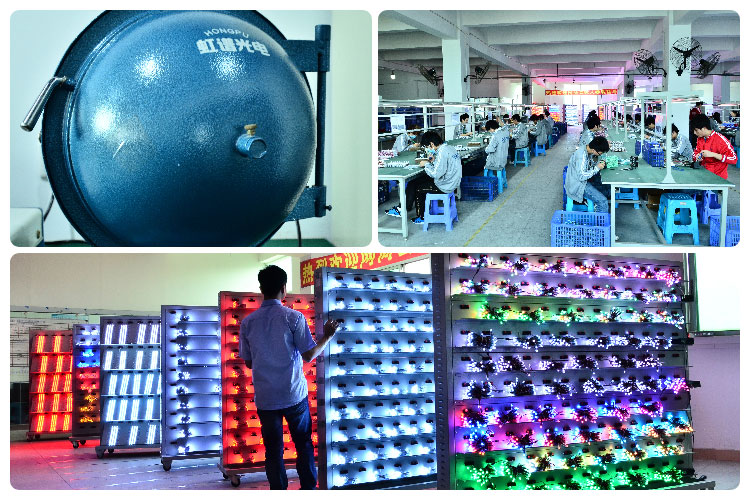
LED (Light Emitting Diode) technology has significantly transformed lighting across various industries, from consumer electronics to large-scale commercial applications. Its benefits extend beyond just lighting, as it has become a crucial part of modern technology due to its superior performance in brightness, durability, and energy efficiency. This article explores how LED technology has made lighting brighter, longer-lasting, and more environmentally friendly, positioning it as a key player in future innovations COB LED Strips.
Brightness: LED Lighting’s Clear Advantage
LED technology provides exceptional brightness compared to traditional incandescent and fluorescent lighting. LEDs are capable of producing intense light while using less energy. Their brightness can be finely controlled, providing uniform lighting that is perfect for both indoor and outdoor applications. LEDs also have a high lumen output per watt, meaning they generate more light with less energy consumption. This results in a more vibrant and crisp light, often preferred for both commercial and residential settings. The adaptability of LED technology means it can be used in various forms, from street lights and industrial lighting to the more specialized needs of backlighting in screens, such as televisions and smartphones. LEDs deliver consistent brightness without flickering, making them ideal for both aesthetics and functionality.
Durability: LEDs Outlast Traditional Lighting
LEDs are known for their exceptional durability. One of the most significant advantages of LED lighting is its long lifespan. Traditional incandescent bulbs often burn out quickly, requiring frequent replacement. In contrast, LEDs last up to 25,000 hours or more, depending on the model and usage. This extended lifespan means fewer replacements and lower maintenance costs. Furthermore, LEDs are highly resistant to shock, vibrations, and external impacts, making them ideal for challenging environments. Unlike traditional bulbs, LEDs do not contain fragile components like filaments, making them more durable in the long run. Their solid-state construction ensures that they continue to perform at optimal levels, even in rough conditions. This durability translates into fewer disruptions in industrial settings, greater safety, and reduced waste.
Energy Efficiency: A Green Solution
One of the most compelling reasons for the widespread adoption of LED technology is its energy efficiency. LEDs consume significantly less energy than traditional incandescent bulbs, using up to 80% less power. This reduced energy consumption directly impacts both electricity bills and the environment. With lower power consumption, LED lighting reduces carbon footprints, making it a sustainable choice for individuals and businesses alike. For example, replacing an incandescent light bulb with an LED can save a substantial amount of electricity over time. This energy savings not only helps the consumer save money but also reduces the demand on power plants, contributing to a decrease in greenhouse gas emissions. LEDs are also compatible with renewable energy sources, further enhancing their green credentials.
Applications of LED Technology in Various Industries
The applications of LED technology span a wide range of industries, with each sector benefiting from its unique advantages. In the automotive industry, LEDs are used for headlights and interior lighting, providing better visibility while consuming less power. For signage, LEDs are a popular choice due to their brightness, longevity, and energy efficiency. In the field of healthcare, LEDs are increasingly used for medical lighting, offering bright, clear light that helps in surgeries and diagnostics. The entertainment industry, too, relies heavily on LEDs for stage lighting and displays due to their vibrant colors and low heat output. Additionally, in the home and office environments, LED bulbs have become the standard for lighting due to their combination of affordability, efficiency, and performance. This versatility across industries shows just how far LED technology has advanced.
The Future of LED Technology
As LED technology continues to evolve, its future looks promising. Innovations in design and efficiency are constantly being made, with new materials and techniques enhancing LED performance. Organic LEDs (OLEDs), for example, are becoming a major area of research, potentially offering even thinner and more flexible lighting solutions. In the coming years, LEDs are likely to become even more efficient, providing brighter light while consuming even less energy. In addition to lighting, LED technology will continue to play a role in displays, wearable tech, and smart home systems. As the world increasingly shifts toward sustainable practices, the demand for energy-efficient technologies like LEDs will grow, cementing their place as a cornerstone of modern technology.
